Wednesday, September 30, 2009
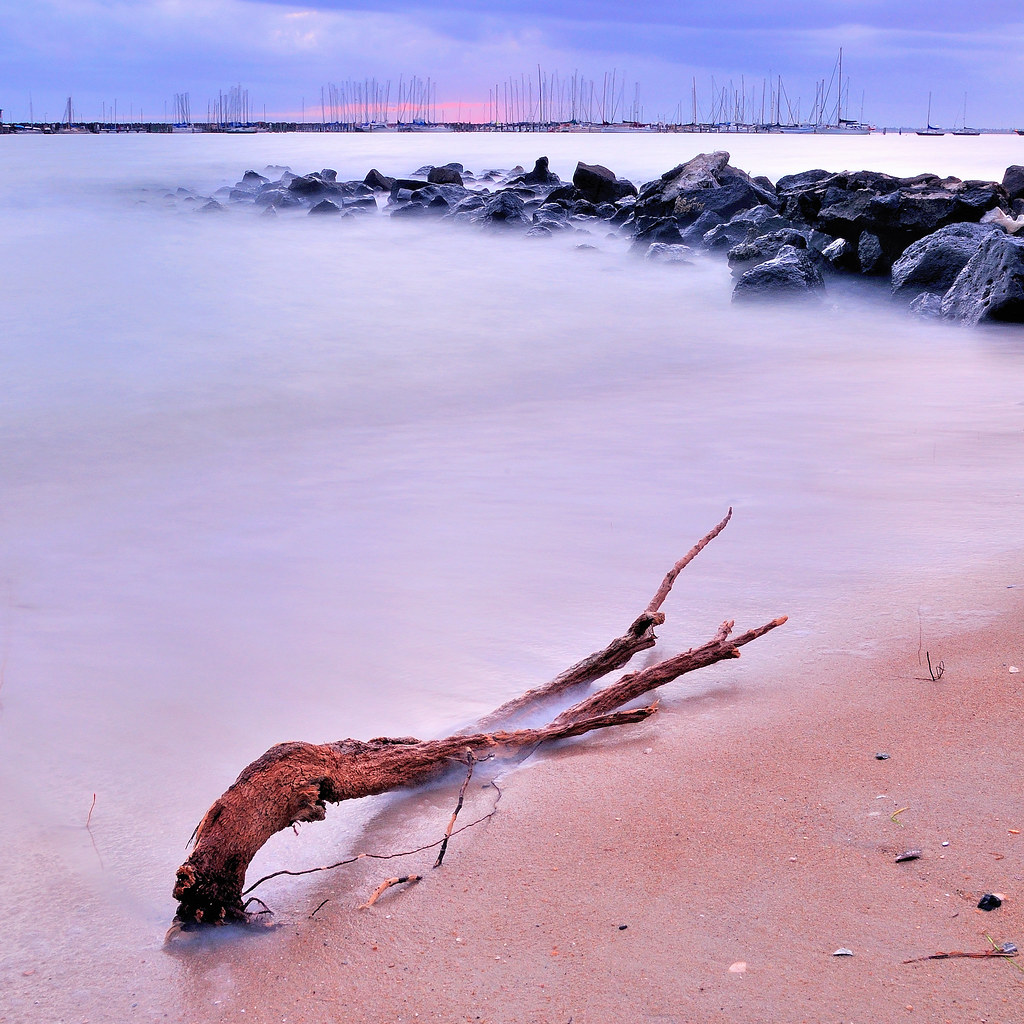
castaway
For me, the integral part of photo composition is arranging of subjects. No, I don't mean physically placing in order the subjects to be photographed. (Some are a little too heavy or strongly-footed to be moved, especially in a landscape.)
Wednesday, September 16, 2009
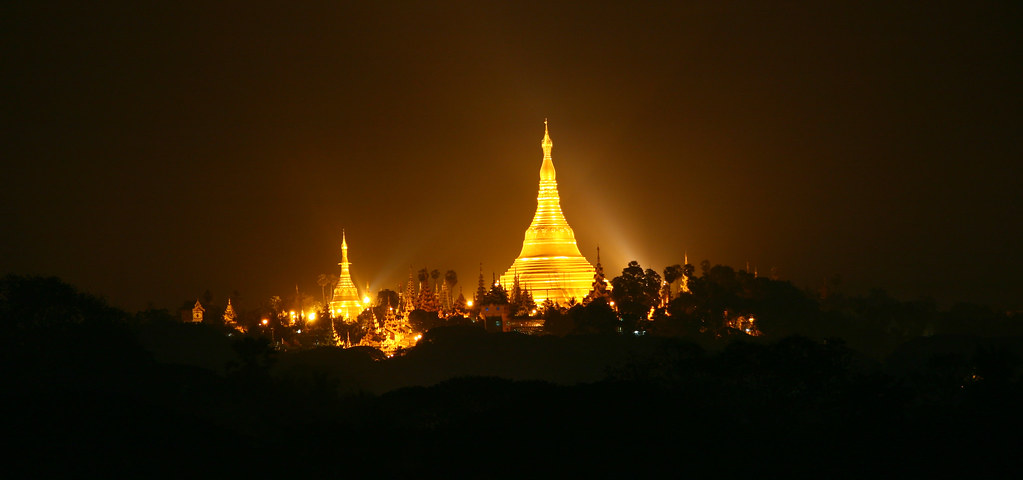
glowing landmark
Shwedagon Pagoda is in Yangon, Myanmar. At 326 ft, it is considered to be the largest pagoda in the world. Depending on what is being looked for, large structures may demand a good vantage point to be seen from. While a close-up look (from the base of the structure) with a wide angle could infuse perspective & artistry, a telephoto shot from a good vantage point from some distance gives a big picture of how it stands (gigantically) among others on the surface of the Earth. Usually, a vantage point is higher or at least at half the height, at some distance.
Saturday, September 12, 2009
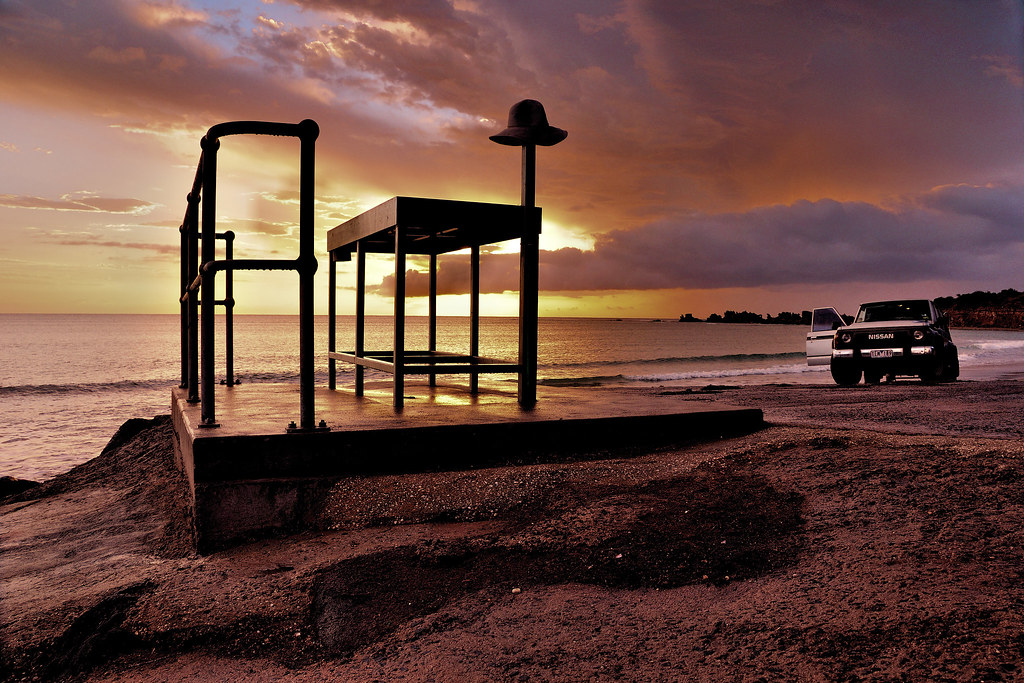
the rendezvous
Balance matters. Even in photos. It is as if the subjects (those that are not part of the background) in a photo weighed proportionally to their apparent sizes. When we look at a photo, we hold it up in our mind and hang from the middle of the upper edge to see if the picture would tilt to either side, depending on the 'weights' of the subjects in it. Our intuition as regards things placed on a see-saw, further dictates that the further a subject is from the centre of the frame, the heavier it affects on the frame. If different-sized subjects are placed at appropriate spots, it is possible that the picture would not tilt to either side. By then, we would find ourselves looking at a well-balanced photo.
Thursday, September 10, 2009
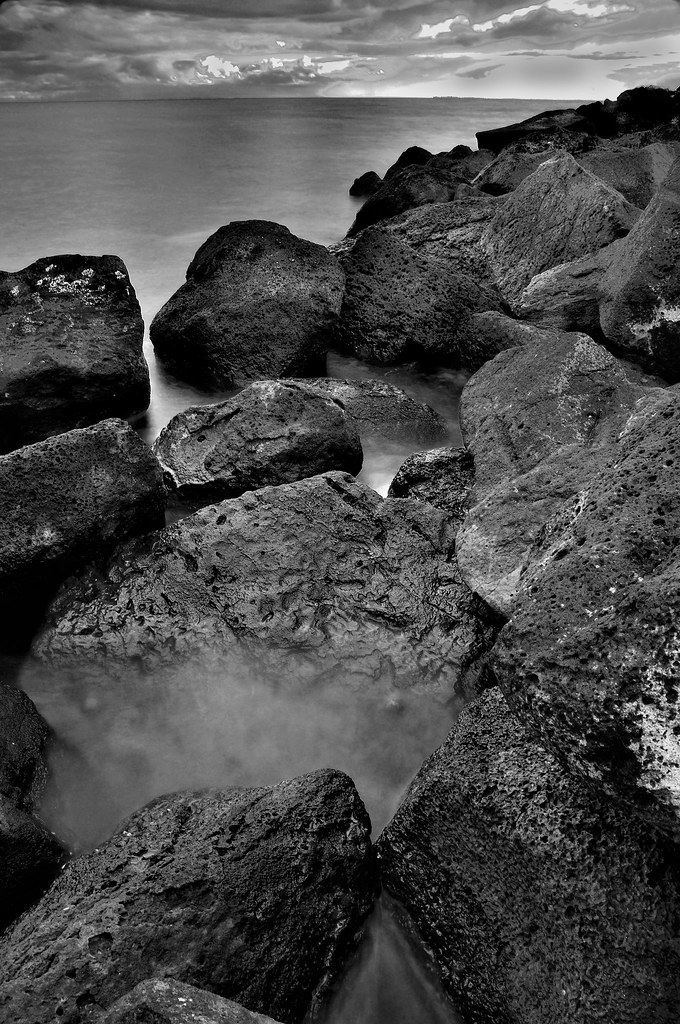
formation
Sometimes, we want it slow. Especially with moving water. Water at unrest exposed to slow shutter speed, morphs into silky shroud spanning the defined space. Or so it seems. How slow is slow then? It depends on the speed of the water itself. But often, a couple of seconds minimum is required.
Subscribe to:
Posts (Atom)